



Trekking Poles: When They Actually Help and When to Leave Them Home
Trekking poles divide hikers in a way few pieces of gear do. Some people swear they will never hike without them. Others find them fiddly, noisy, and constantly in the way. Both camps are right, because poles help enormously in some conditions and add nothing in others. The trick is knowing which trip you are on.
The core value of a pole is simple: it transfers load from your legs to your upper body and adds points of contact with the ground. That matters most when balance is uncertain or when your knees are taking a beating on long descents. It matters least on flat, smooth, well-groomed trails where you would mostly be carrying them.
Where Poles Genuinely Earn Their Weight
Steep descents are the classic case. Going downhill loads your knees with several times your body weight with every step, and poles let you plant and lower yourself rather than absorb the whole impact. If you have ever felt your quads burning on a long descent, poles are worth trying. They also help on loose scree, wet roots, and river crossings, where a third and fourth contact point can be the difference between a steady step and a fall.
Long-distance and multi-day trips are another strong case. Over many hours, the small savings in leg effort add up, and poles help you keep a rhythm on climbs. Backpackers carrying heavy loads benefit even more, since poles counterbalance the weight on their back.
Finally, poles matter for anyone with knee or balance concerns. If a previous injury or age makes downhills painful, poles are one of the cheapest interventions available. They are also genuinely useful for pitching some lightweight shelters that use poles as tent supports, which means one piece of gear does two jobs.
When to Leave Them Behind
On a short, flat day hike, poles are dead weight. If the trail is smooth and the elevation change is modest, you will spend more time swinging them around than using them. The same goes for scrambles and easy climbing, where you need your hands free for rock. Poles can also be a nuisance on very brushy or overgrown trails, where they snag constantly.
If you are new to poles, borrow a pair before buying. The adjustment period is real: you have to learn to plant them slightly ahead and push off, rather than stabbing at the ground. Most people find the rhythm within a hike or two. Others simply never take to it, and that is fine.
If you do buy, look for aluminum for durability and price, or carbon for lighter weight if you can accept that a hard fall can crack it. Cork grips handle sweat well in summer, foam stays comfortable in cold. Adjustable length is worth it if you share poles or change terrain often.
The honest answer is that trekking poles are a tool, not a virtue. Bring them when the terrain, your knees, or your pack weight justify the trade-off. Leave them home when the trail is easy and you would rather travel light. Matching the gear to the trip is what separates a comfortable hiker from a stubborn one.


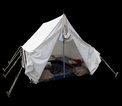




Trekking poles are not automatic equipment. Here is how to decide if they earn their place on your next trip.
Contour lines, scale, and terrain association explained for hikers who rely on their phone a little too much.
From cowboy coffee to a lightweight press, here is how to get a decent cup at camp without hauling a kitchen.
Clouds, wind shifts, and pressure changes can tell you a lot before you even check the forecast.
Most overnight packs carry ten pounds of things we never touch — here is a practical way to find out which ten.