




Cooking Real Meals on a Canister Stove
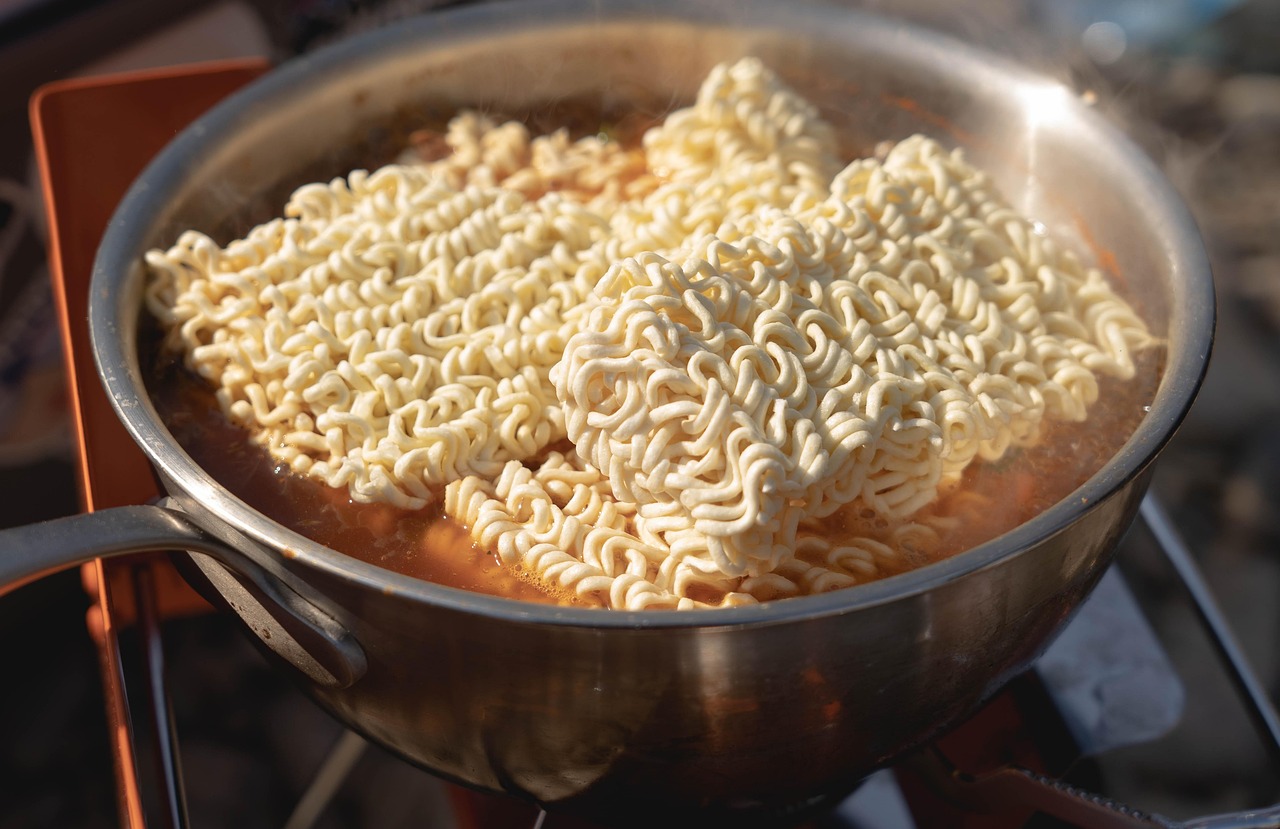
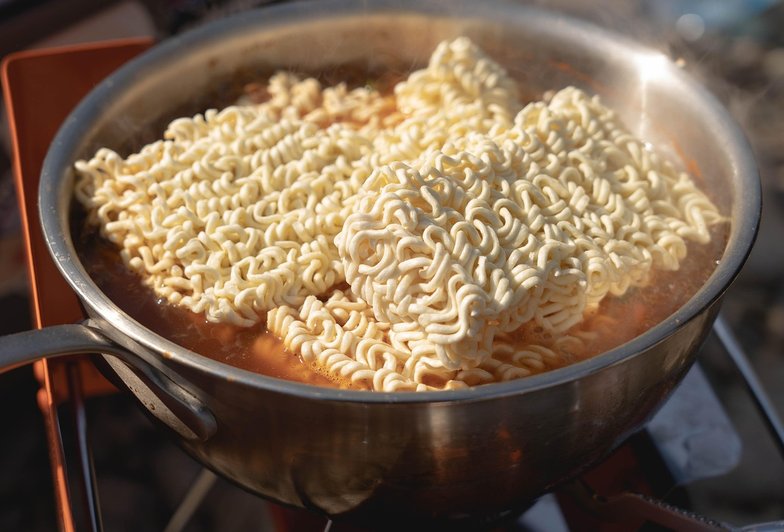
The canister stove has a reputation as a one-trick tool: boil water, pour it into a bag, call it dinner. That reputation is earned. Most canister stoves are designed for fast boiling, not for simmering, and the flame goes from roaring to nothing in a quarter turn. But with a little technique, you can cook rice, sauté vegetables, and even make a decent one-pot pasta without scorching the bottom of your pot.
The first thing to understand is that the problem is usually the pot, not the stove. Thin aluminum pots transfer heat unevenly and hot-spot easily. A pot with a thicker base or a wider diameter spreads the flame better. If you already own a lightweight pot, you can still make it work — you just have to stir more and keep the flame lower than feels natural.
Learn the Low Flame
Practice at home before you rely on this in the field. Fill your pot with water and slowly turn the valve until the flame is just barely alive. Many stoves will hold a small flame if you approach it gently from the off position rather than backing down from full blast. Once you can hold a low flame, you can simmer.
For rice, bring water to a boil, add rice, then drop to the lowest flame that keeps a gentle bubble. Cover the pot. Check every few minutes and stir. The rice will take longer than it does on a kitchen stove, but it will cook through without burning. For pasta, boil the water first, add pasta, and keep the flame low enough that the water does not foam over. Stir often, because the starch will settle and stick.
Vegetables are easier than they sound. A little oil, a low flame, and a lid will steam and soften most things. Onions take the longest, so start them first. Add harder vegetables next and softer ones last. A splash of water now and then keeps things from sticking and speeds the cooking.
Build Flavor Without a Pantry
You do not need a full spice rack. A small bottle of olive oil, a salt container, and a few strong flavorings go a long way: garlic powder, chili flakes, a hard cheese that travels well, or a concentrated stock paste. These weigh almost nothing and turn plain ingredients into something you actually want to eat after a long day.
One-pot meals are the most practical approach. Cook the aromatics first, add liquid and starch, then finish with cheese or oil. Cleanup is one pot and one spoon. If you are cooking for two, use a pot that is larger than you think you need, because a full pot simmers more evenly and is less likely to burn.
The canister stove will never be a kitchen range. But with a low flame, a wider pot, and a habit of stirring, it can cook a meal that feels like dinner instead of a ration. That is worth the extra ten minutes.




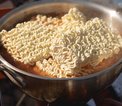

Canister stoves are not just for boiling water — with a few adjustments they can handle actual dinners.
River crossings are one of the most underestimated hazards in the backcountry — here is how to read and cross them.
Temperature ratings, fill types, and shapes explained without the marketing noise.
Phones die, batteries drain, and signal disappears — here is how to stay found without one.
A practical walkthrough of the base, mid, and shell system that keeps you warm on the ascent and dry on the summit.