

Camp Coffee Without the Fuss: Four Methods That Actually Work
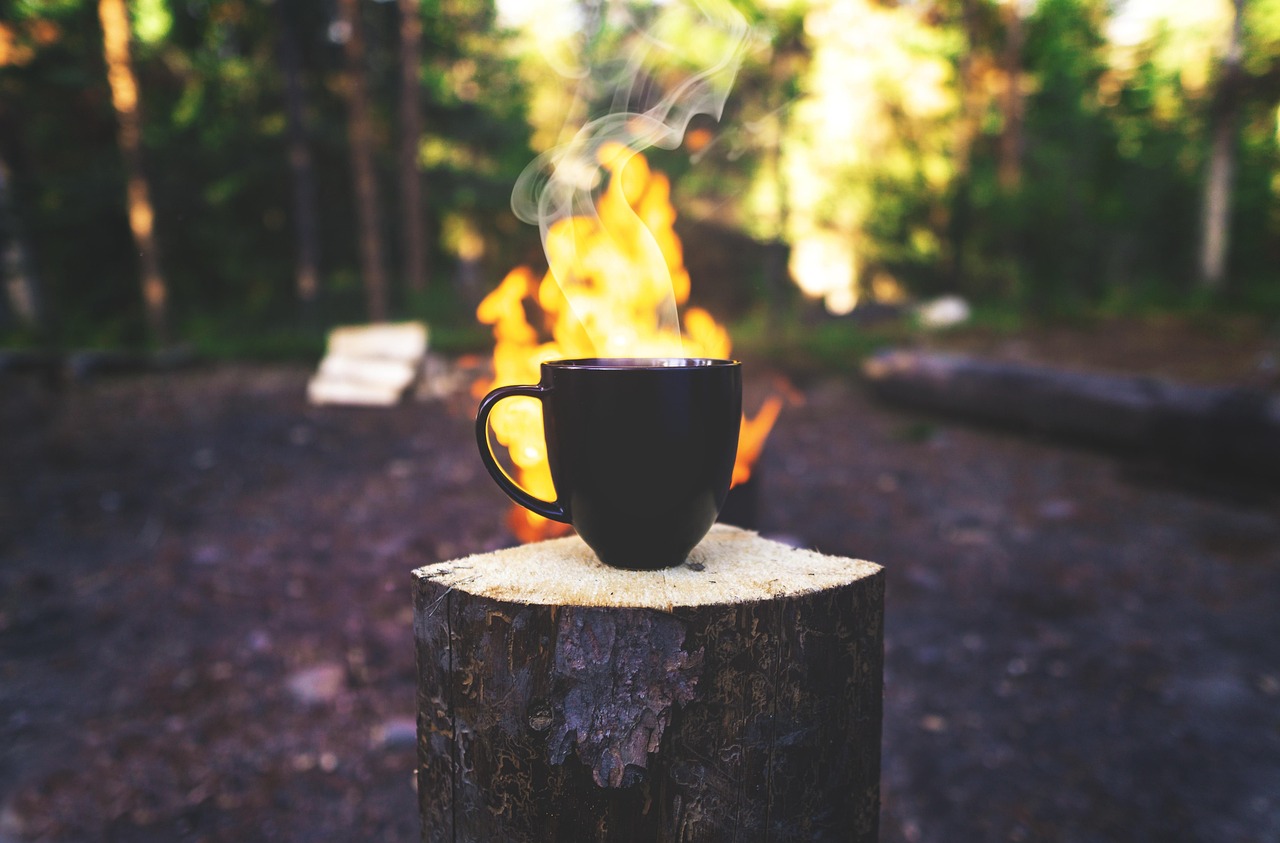
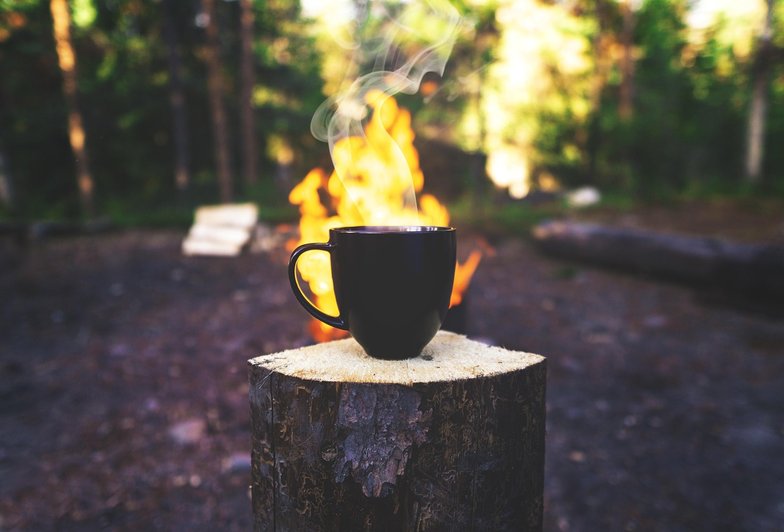
Coffee at camp tastes better than coffee anywhere else, and that is not just the fresh air talking. It is the ritual: boiling water while the tent dries, sitting with a warm mug as the valley wakes up. But the method matters. A bad setup means gritty sludge or a heavy pack, and neither is worth the trouble. Here are four approaches that work, each suited to a different kind of camper.
The right choice depends on how much weight you will carry, how many cups you drink, and whether you care about cleanup. There is no single best method, only the one that fits your trip.
Lightweight Methods for Backpackers
Instant coffee has come a long way. The best modern versions are freeze-dried and actually taste like coffee rather than burnt cardboard. They weigh almost nothing, need no cleanup, and dissolve in hot water in seconds. For solo backpackers counting grams, this is often the smartest call. Buy a few single-serve sticks, or portion your own into a small bag to cut packaging.
Steeped coffee bags are the next step up. They work like tea bags, and you simply drop one in hot water, wait a few minutes, and pull it out. No grounds to strain, no gear to clean beyond your mug. They are slightly heavier than instant but deliver a fuller flavor, and they are forgiving if you are tired and clumsy in the dark.
A lightweight pour-over cone is the third option. A collapsing silicone or mesh cone plus a paper filter weighs only a few ounces and brews a genuinely good cup. The trade-off is that you need to pack out wet filters and you have one more thing to clean. For car campers and short trips, that is an easy bargain.
Old-School Methods Worth Knowing
Cowboy coffee is the classic no-gear method. Bring water to a boil, add coarse grounds, stir, and let it sit for a few minutes off the heat. The grounds settle to the bottom. To keep them there, some people add a splash of cold water at the end, which sinks the floating bits. Pour slowly and stop before the sludge. It takes practice, but it produces a strong, honest cup with nothing but a pot and a mug.
A French press is the most forgiving method if you are not counting grams. Many campers use a durable stainless press that doubles as a mug, or a full-size press for groups. It makes a rich cup and cleanup is simple if you dump the grounds properly. Just remember that grounds do not belong in the fire ring or scattered at the campsite. Pack them out, or bury them well away from water and trails if local rules allow.
Whichever method you choose, bring a little more coffee than you think you need. Cold mornings make people drink more, and sharing a cup with a friend is one of the small rewards of camp life. Keep your kit simple, learn one method well, and the morning brew becomes something you look forward to instead of a chore.



From cowboy coffee to a lightweight press, here is how to get a decent cup at camp without hauling a kitchen.
Clouds, wind shifts, and pressure changes can tell you a lot before you even check the forecast.
Most overnight packs carry ten pounds of things we never touch — here is a practical way to find out which ten.
Canister stoves are not just for boiling water — with a few adjustments they can handle actual dinners.
River crossings are one of the most underestimated hazards in the backcountry — here is how to read and cross them.