



The Weekend Pack Shakedown: What to Cut and What to Keep
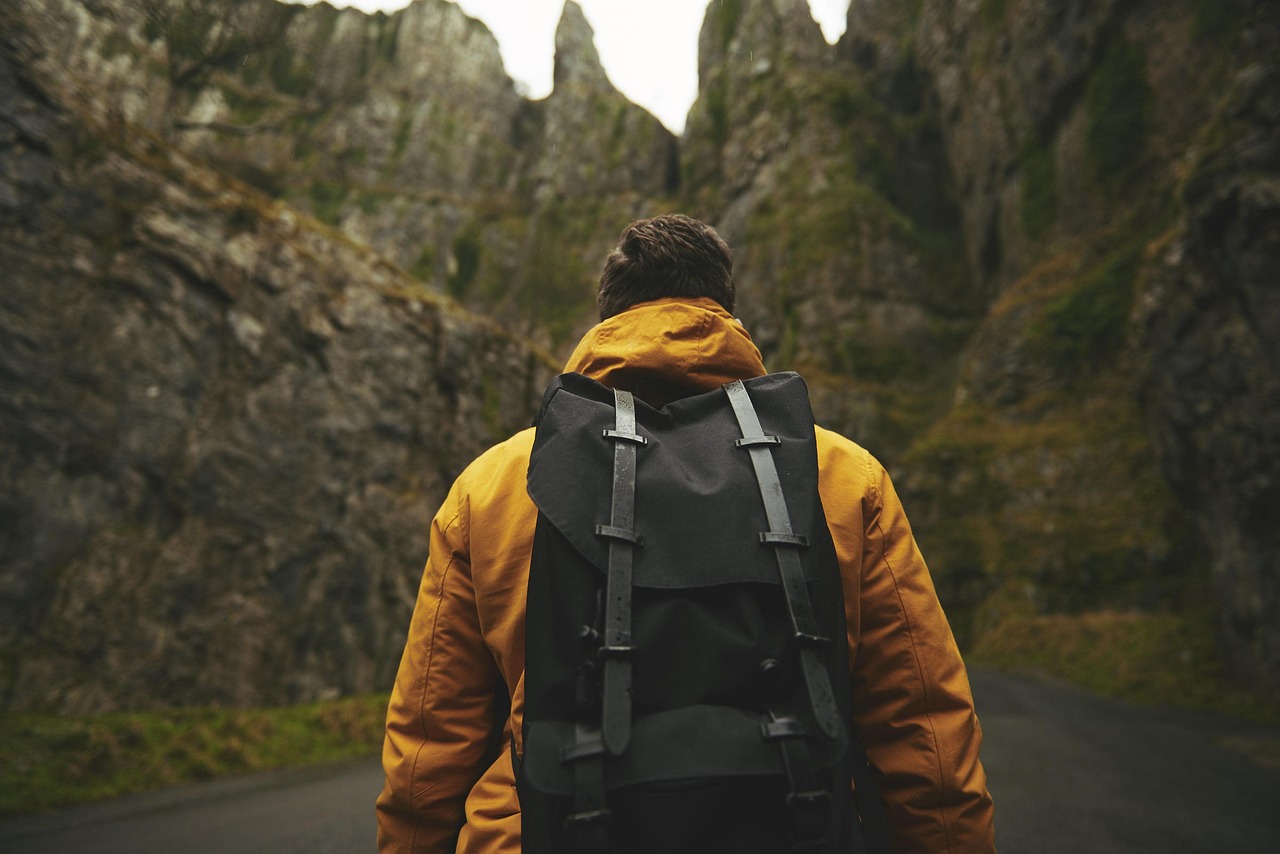
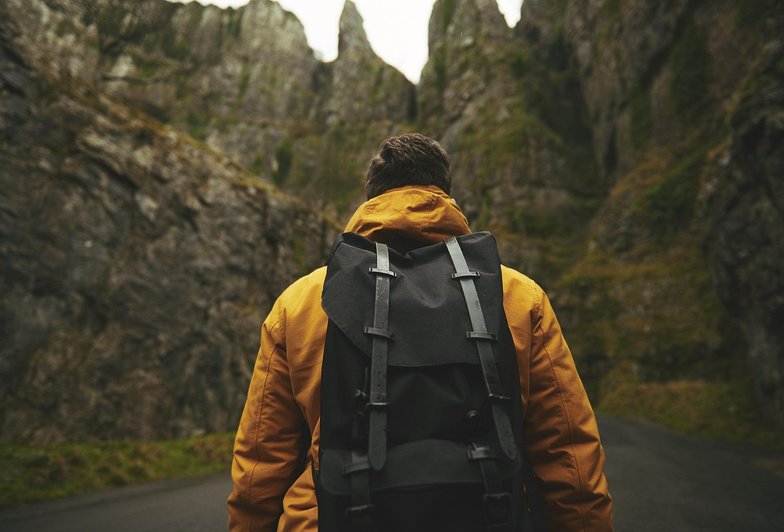
The heaviest thing in most packs is not the tent or the sleeping bag. It is the quiet accumulation of maybe-items: the second headlamp, the extra fleece, the full roll of duct tape, the paperback that seemed essential at the trailhead. None of these are stupid choices on their own. Together, they turn a comfortable overnight load into a chore.
The fix is not to buy ultralight gear. It is to do a shakedown, which is just a structured way of asking your pack what it is actually doing for you. The best time to do this is after a trip, not before one, because you will still remember what you reached for and what stayed buried at the bottom of the main compartment.
Start With the Post-Trip Spread
Empty everything onto a tarp or a clean floor. Then sort into three piles: used constantly, used once, and never touched. Be ruthless about the third pile. If a rain jacket never came out because the weather held, that does not mean it was dead weight — safety gear gets a pass. But if you never touched the backup stove, the camp shoes, or the third stuff sack of snacks, those are candidates.
Weigh the never-touched pile. Most people are surprised by the total. Even a pound or two off your back changes how a climb feels at the end of a long day, and it changes how quickly you can move when the weather turns.
The used-once pile deserves a different question: did it earn its weight? A small repair kit that fixed a strap is worth every gram. A folding chair you sat in for twenty minutes is a judgment call. Keep the things that solved a real problem and question the things that only solved a comfort problem you could have lived without.
Rebuild With Intention
When you repack, put the essentials where you can reach them without digging: water treatment, a layer, snacks, first aid, and a headlamp. Everything else can go deeper. This is not just about weight. A pack that is organized by function rather than by leftover space is faster to use and easier to inventory when you are tired.
Try a shorter trip with the trimmed load before you commit to a big one. You may find you miss something, and that is useful information. Add it back. The goal is not the lightest possible pack. It is the lightest pack that still lets you handle a cold night, a wrong turn, or a friend who needs help. Cut the things that only exist because you were worried. Keep the things that exist because you have thought it through.
Do this once a season and the pack will stay honest. Gear creeps back in through side pockets and forgotten pouches. A regular shakedown keeps the load matched to the trip instead of to your anxiety.






Most overnight packs carry ten pounds of things we never touch — here is a practical way to find out which ten.
Canister stoves are not just for boiling water — with a few adjustments they can handle actual dinners.
River crossings are one of the most underestimated hazards in the backcountry — here is how to read and cross them.
Temperature ratings, fill types, and shapes explained without the marketing noise.
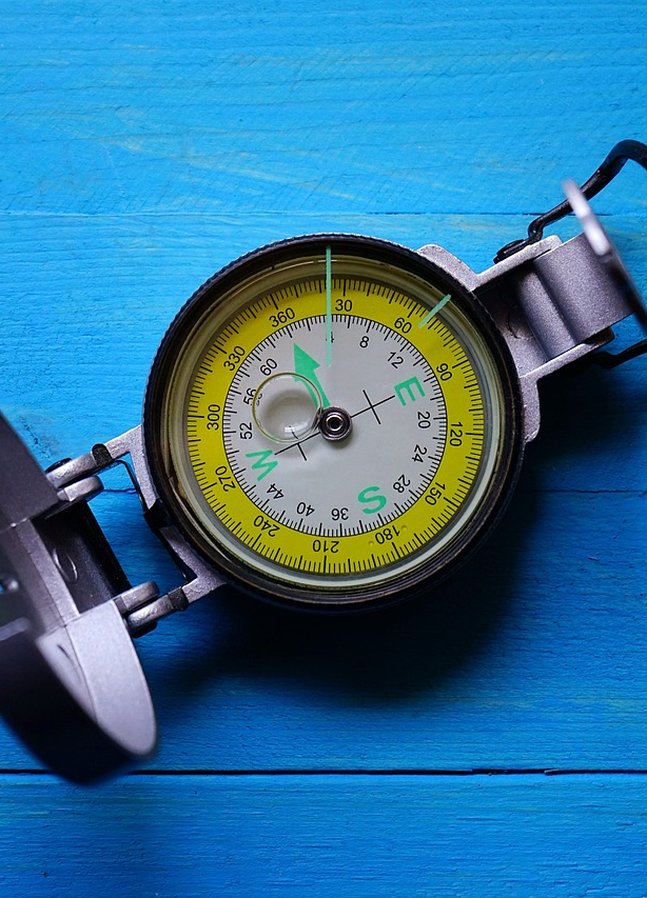
Phones die, batteries drain, and signal disappears — here is how to stay found without one.