




The Math Behind the Machine: What Every Slot Player Should Know
The first time I watched a high-stakes slot session, I expected fireworks. Instead, I watched a guy feed a $50 note into a machine, press the spin button exactly forty-seven times, and walk away. No bonus round. No near miss with the jackpot. Just quiet, mechanical loss. That moment taught me more about slots than any glossy casino floor ever could: this is a math product dressed as entertainment, and the players who understand that tend to have a lot more fun with it.
RTP Is Not a Promise to You
Every regulated slot has a Return to Player percentage, usually somewhere between 94% and 97%. New players read that and think "I'll get back $95 for every $100 I wager." That's not what it means. RTP is a theoretical average calculated over millions of spins, and it describes the machine's behavior, not yours. You could be the player who hits a 5,000x multiplier in your first twenty spins, or the one who burns through $300 chasing a bonus that never lands.
Here's the part most people miss: RTP is calculated assuming perfect play across the entire paytable, including jackpot contributions. A 96% RTP slot can easily feel like a 70% slot during a cold run. Variance is the real story. Two slots can share the same RTP but behave completely differently — one may drip small wins constantly while the other stays silent for hundreds of spins before exploding. สล็อต covers this in more detail.
- Low variance slots pay frequently but modestly — good for stretching a small bankroll.
- High variance slots can eat 200+ spins without a meaningful win, then pay 500x or more.
- Check the RTP in the info panel — same title often ships with different RTPs across regions or even casinos.
If you enjoy the crash-and-burn drama of high variance, that's valid. Just don't pretend it's a strategy. It's a personality preference.
House Edge: The Invisible Tax on Every Bet
The house edge is the flip side of RTP. A 96% RTP slot carries a 4% house edge. Blackjack played with basic strategy? Around 0.5%. European roulette? 2.7%. American roulette with its double zero? A brutal 5.26%. Poker is different entirely — you're playing against other people, and the house takes a rake instead of an edge, usually 5% capped at a few dollars per pot.
This is why serious bettors treat slots as entertainment spending and poker as a skill game. They're not the same animal. If you're trying to grow a bankroll over time, the math points hard toward poker and blackjack. If you want a laser light show and a chance at 10,000x, slots deliver that experience, and you pay for it.
A quick comparison of common casino games
- Blackjack (basic strategy): ~0.5% house edge — the most player-friendly table game.
- Baccarat (banker bet): ~1.06% — quietly one of the best bets on the floor.
- European roulette: 2.7% — single zero keeps it respectable.
- Slots: 2% to 10% depending on the machine and jurisdiction.
- Keno: often 20% to 35% — pretty, but a money pit.
Poker: Where Skill Actually Compounds
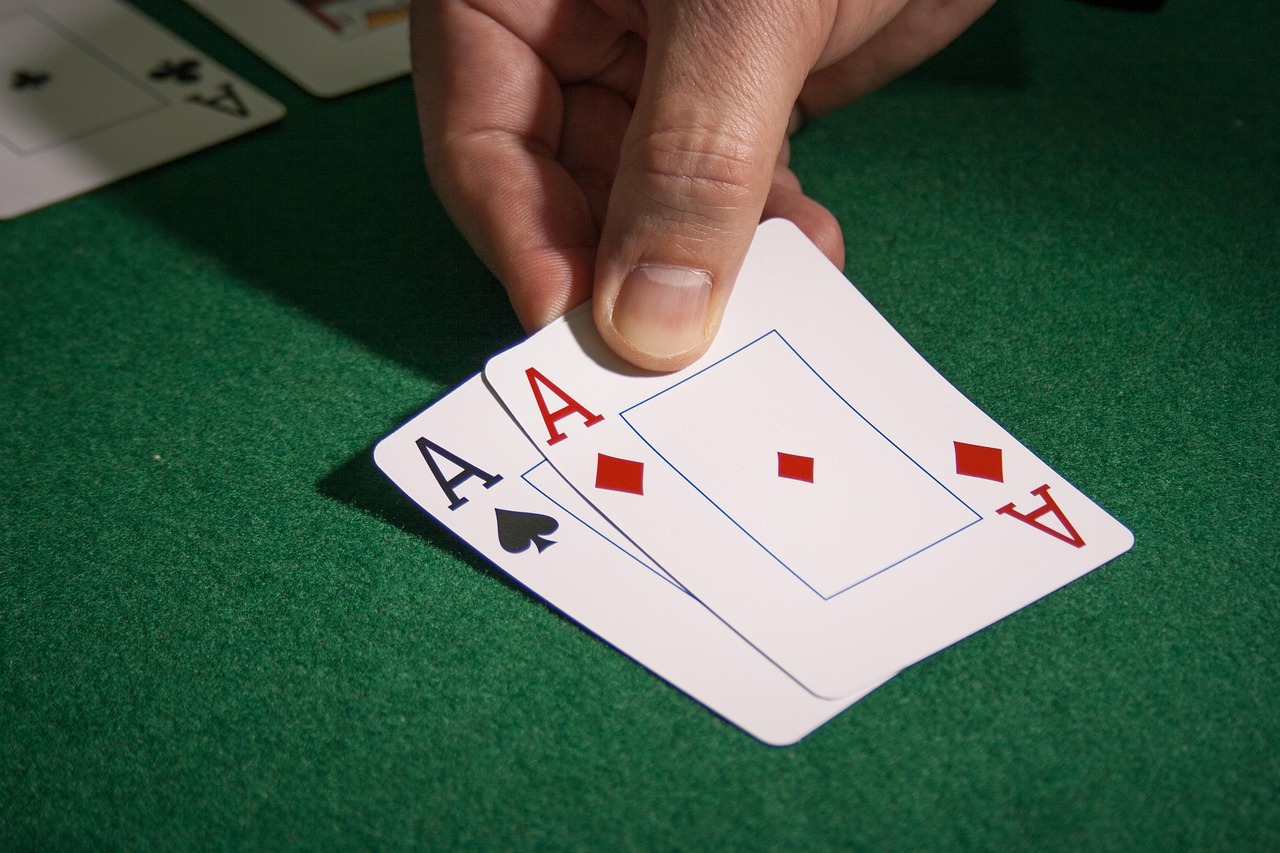
Poker is the one game in this entire space where a skilled player can genuinely expect a positive return over thousands of hands. That's not hype — it's math. You're not fighting the house's edge; you're fighting the mistakes of other players, and those mistakes are very common at low stakes.
Players who study ranges, position, and bet sizing crush loose-aggressive amateurs over time. They don't need to win every session. They need to make the mathematically correct decision repeatedly and let variance even out.
Preflop is where beginners bleed the most. Playing too many hands, calling instead of raising, limping from early position — every leak compounds. A solid starting-hand chart and discipline around position will do more for your win rate than any fancy bluff. And bankroll management matters more than hand reading at the start. Ten to twenty buy-ins for cash games is a reasonable floor.
- Track every session — results without records are just stories.
- Move down in stakes after a downswing, not up.
- Study one concept per week rather than trying to absorb everything at once.
Betting Smarter on Sports
Sports betting gets a bad reputation because people treat it like a lottery ticket instead of a market. The bookmakers build a margin into every line — typically 4% to 8% on a standard two-way market. That margin is why you can't just pick winners and expect profit. You need to beat the closing line, not the final score.
Successful bettors look for value, not certainties. The favorite that "can't lose" is priced to make you almost no money and expose you to real risk. A +150 underdog with genuine edge is a better long-term play than a -300 lock. Shop across multiple books too — a half-point difference in spread or a 10-cent swing in juice adds up over hundreds of wagers. Live betting and prop markets often carry softer lines because books can't price them as tightly.
And be honest about your bankroll. Flat betting 1% to 2% of your roll per play keeps you in the game long enough for your edge to show up. Chasing losses with triple-down parlays is not a strategy; it's a countdown timer.
The Real Skill Is Knowing Which Game You're Playing
Here's the honest truth about iGaming: most of it is designed to be entertaining, not profitable, and there's nothing wrong with that as long as you know the difference. Sipping a drink and spinning a slot is a perfectly good way to spend an evening. Just treat it like a night at the movies — money spent on experience, not investment. And if you find yourself in a game where skill genuinely matters, like poker, take the time to actually develop that skill instead of hoping variance bails you out.
The players who last — the ones who are still having fun five years in — aren't the ones chasing jackpots. They're the ones who built a bankroll plan, stuck to games they understand, and never let a bad night turn into a bad month. The house edge is permanent. Your decisions don't have to be.






A practical walkthrough of the base, mid, and shell system that keeps you warm on the ascent and dry on the summit.
Trekking poles are not automatic equipment. Here is how to decide if they earn their place on your next trip.
Contour lines, scale, and terrain association explained for hikers who rely on their phone a little too much.
From cowboy coffee to a lightweight press, here is how to get a decent cup at camp without hauling a kitchen.
Clouds, wind shifts, and pressure changes can tell you a lot before you even check the forecast.